Real Estate Instagram Post Ideas and Fair Housing
Listing caption words checked against HUD's own guidance, how Creobee plans an agent's week of posts, and the NAR and Meta rules to check before posting.
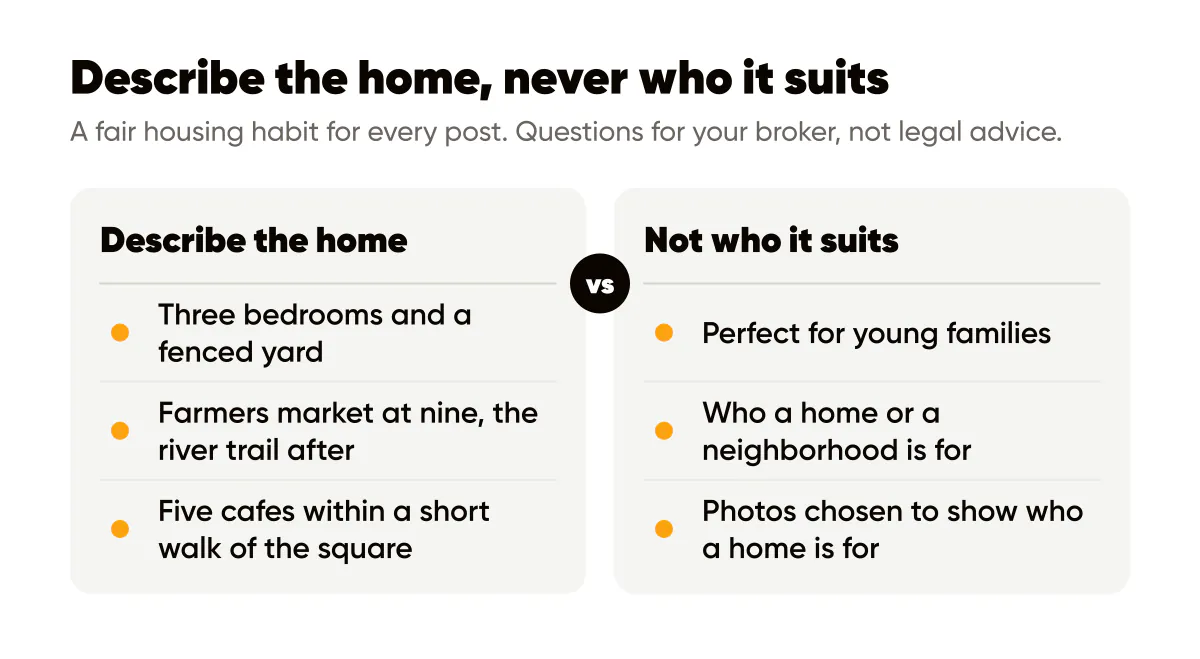
An agent's feed has one rule that every other post idea sits under: describe the home and the place, never the people it suits. "Three bedrooms and a fenced yard" describes a house. "Perfect for young families" names familial status, which federal law protects. The rest of this guide is about writing a full week of posts on the right side of that line.
It covers the fair housing text itself, checked on November 4, 2026, then how Creobee, the tool I build, plans a real estate agent's week of posts, and what fits each slot. I am not a lawyer, and fair housing, license and MLS rules differ by state, city and brokerage. Treat this as the questions to take to your broker, not legal advice.
What the law says about a caption
Section 3604(c) of the Fair Housing Act makes it unlawful "to make, print, or publish, or cause to be made, printed, or published any notice, statement, or advertisement, with respect to the sale or rental of a dwelling that indicates any preference, limitation, or discrimination based on race, color, religion, sex, handicap, familial status, or national origin" (42 U.S.C. 3604, Cornell LII). It is not limited to paid ads: a free post, a caption and a story about a home are all statements.
HUD's regulation, 24 CFR 100.75, spells out the ways it happens: "words, phrases, photographs, illustrations, symbols or forms" that convey a dwelling is or is not available to a particular group, and "selecting media or locations for advertising" that deny parts of the market information about housing. The photos you choose and where you show an ad count, not just the words.
If you are a REALTOR, the NAR Code of Ethics Standard of Practice 10-3 applies the same idea to advertising and adds sexual orientation and gender identity to the list.
Caption words, checked against HUD's memo
The clearest list HUD has published is a short memo of January 9, 1995 from Roberta Achtenberg, then Assistant Secretary for Fair Housing and Equal Opportunity: Guidance Regarding Advertisements Under §804(c) of the Fair Housing Act. HUD's site blocked my requests on November 4, 2026, so I read HUD's own file as the Internet Archive saved it in February 2025. It was written for HUD staff deciding which complaints to accept, so it is guidance, not law. Its test is the useful part: an ad that "on its face" expresses a preference creates liability; one that is "facially neutral" does not.
| Phrase | What the memo says |
|---|---|
| "White family home", "no Irish" | Words describing the housing, residents or neighborhood in racial or ethnic terms "will create liability" |
| "Christian home", "no Jews" | An explicit religious preference |
| A cross or other religious symbol, standing alone | "May indicate a religious preference", unless the ad carries a nondiscrimination statement |
| "No wheelchairs" | An explicit exclusion based on handicap |
| Limits on the number or ages of children, "adults only", "couples" | Not allowed: no preference for adults, couples or singles |
| "Master bedroom", "rare find", "desirable neighborhood" | Facially neutral: complaints "should not be filed" |
| "Mother-in-law suite", "bachelor apartment" | Physical descriptions that do not violate the Act |
| "Great view", "fourth-floor walk-up", "walk-in closets", "jogging trails", "walk to bus-stop" | Descriptions of the property or area that do not violate the Act |
| "Two bedroom", "cozy", "family room", "quiet streets" | Not facially discriminatory |
| "Apartment complex with chapel", "kosher meals available" | Descriptions of facilities or services, not a preference |
| "Merry Christmas", "Happy Easter" | Not a violation |
The memo says nothing about "safe neighborhood", "family neighborhood" or "near St. Mary's", and it does not cover ads with human models. Those gray-zone phrases each read as a comment on who lives there, so the safe habit is the one the whole memo points to: state a fact about the property or a place, and let the reader decide who it suits.
Two cautions about leaning on it. HUD has been withdrawing fair housing guidance: a Federal Register notice of April 6, 2026 withdrew eight documents effective September 17, 2025, among them HUD's April 2024 guidance on advertising housing through digital platforms. The 1995 memo is not on that list, but the notice says HUD is still reviewing its guidance. The same notice says people may still bring their own civil action within two years whatever HUD decides to enforce, and the statute and 24 CFR 100.75 have not changed.
Your firm's name, "sold" posts and boosted ads
Article 12 of the NAR Code asks REALTORS to be "honest and truthful in their real estate communications" and to "present a true picture in their advertising, marketing, and other representations." Three of its standards catch agents on social media:
- 12-5: no advertising of real estate services or listed property in any medium without disclosing the firm's name in a reasonable and readily apparent way.
- 12-7: only the listing or cooperating broker in the transaction may claim to have "sold" the property, so a "Just sold" post about a deal you had no part in breaks it.
- 12-10: the duty to present a true picture covers internet content and images.
Your state's license law may add a license number, a type size or a placement rule; read your own state commission's advertising rule rather than another state's.
Boosting a post makes it a paid housing ad. Meta's real estate ads documentation says "Advertisers must specify HOUSING as a special_ad_category for ad campaigns that market housing", which restricts the targeting available. The limits come from a settlement: on June 27, 2022 a court approved the Justice Department's settlement with Meta, under which Meta stopped using its "Special Ad Audience" tool for housing ads and paid $115,054, which the Department describes as the maximum penalty available under the Act at the time. Rebuilding a narrow audience by other means is the "selecting media or locations" problem in 24 CFR 100.75.
How Creobee plans an agent's week
On November 4, 2026 I ran Creobee's week planner, the code that decides what each post is before any words are written, for an account set up as "Real estate". That kind starts on the "Be seen as the expert" goal and its Build authority mix, in a professional voice. I planned the Regular pace 200 times with different random seeds.
The split never changed: of the nine feed posts, four Educate and one each of Engage, Inspire, Behind the scenes, Social proof and Promote; of the seven stories, two Engage, two Promote and one each of Behind the scenes, Inspire and Educate. The days follow a fixed table: an animated post or a carousel at 10:00 every day, a story at 12:30, and a single post at 17:00 on days 3 and 6. That is about 70 items a month, stories included, which the Autopilot plan, $39 for 100 posts, covers. One feed post in nine is a Promote post, so a listing you post yourself sits among eight that are not selling anything.
The post formula Creobee shows a real estate account names four of those slots: checklists for buyers and sellers, how a typical sale or rental goes with you, how working with you goes from first call to keys, and a this-or-that such as city apartment or house with a yard. A new account's first three posts are a story offering a choice between two of the agent's own services, a checklist carousel and a single post that spotlights one service by the name the agent's own description gives it. Creobee does not screen captions for fair housing terms, so the habit above stays yours.
What fits each slot
The four Educate posts. Pre-approval and why sellers ask for the letter with an offer. Earnest money: what it is, when it is paid, when it can be lost. Inspection versus appraisal, two visits with two different questions. What happens between an accepted offer and closing. Listing prep week: photos, staging, the first showing.
Engage. A this-or-that about the home, never the buyer: a bigger yard or a shorter commute.
Inspire. A calmer way to think about a big move, in your own words.
Behind the scenes. A day of showings, from the first coffee to the last lockbox.
Social proof. A client review quoted word for word, with permission. The FTC's Endorsement Guides questions and answers say not to tie an incentive to a positive review, that asking only the clients you expect to be happy is misleading if it substantially skews the reviews, and that an exceptional result ("sold in three days") needs a clear statement of what people can generally expect.
Promote. A valuation call with recent local sales and no pressure to list, with your firm's name in the caption.
Stories. Open house hours and parking, a new park or trail opening with the date from the city's own announcement, a this-or-that between two homes' features.
A place post names places and distances, never who a neighborhood suits: "Farmers market at nine on the square, the river trail behind the library." For more angles around listings, content ideas for service businesses has some, and the Instagram post size guide covers carousel sizes.
Honest limits: your photos and tours do the selling
A home sells on its photos, floor plan and walk-through video. Those are yours to shoot or hire out; Creobee makes no filmed video. It has no just listed, just sold or open house layout and no fields for a price, an address or a bedroom count, so post the listings themselves the way you do today.
What Creobee makes is the steady half around them. From your website or a few words about where you sell and who you help, it plans, writes and designs your month of posts, carousels and 9:16 stories in your logo and colors as one feed, with optional short animated versions of posts. AI writes the words; there are no AI-generated images, and you can upload a listing or street photo you have the rights to as the background. It does not know your state's rules or your brokerage's policy, so read every post and leave out any you would not sign. On Autopilot and Pro it posts for you after your OK, stories to Instagram only; on Solo you download the posts. Your first 3 posts are made free, with no card needed.
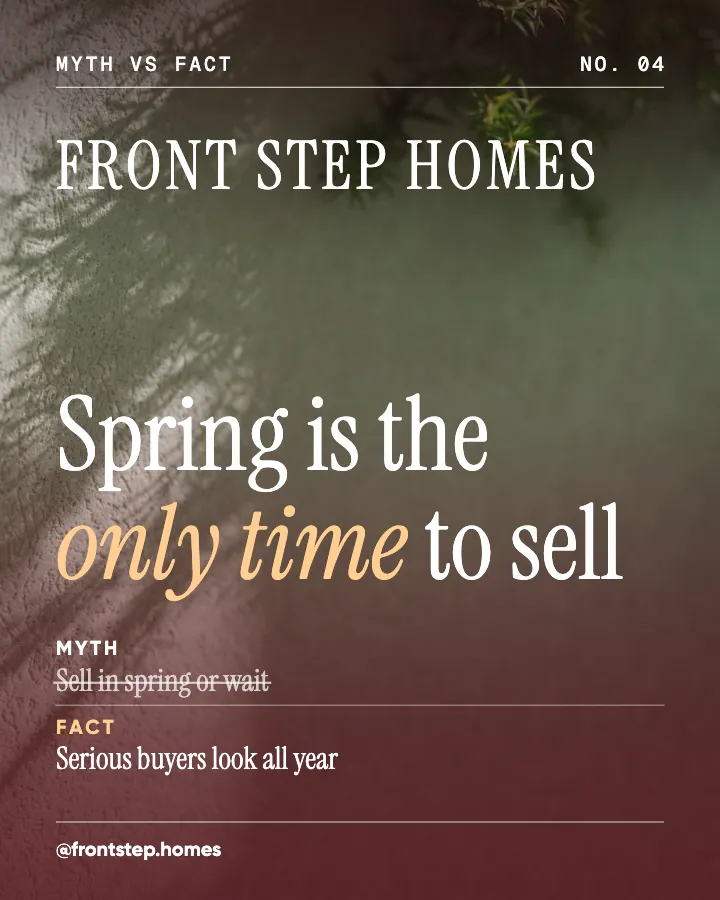
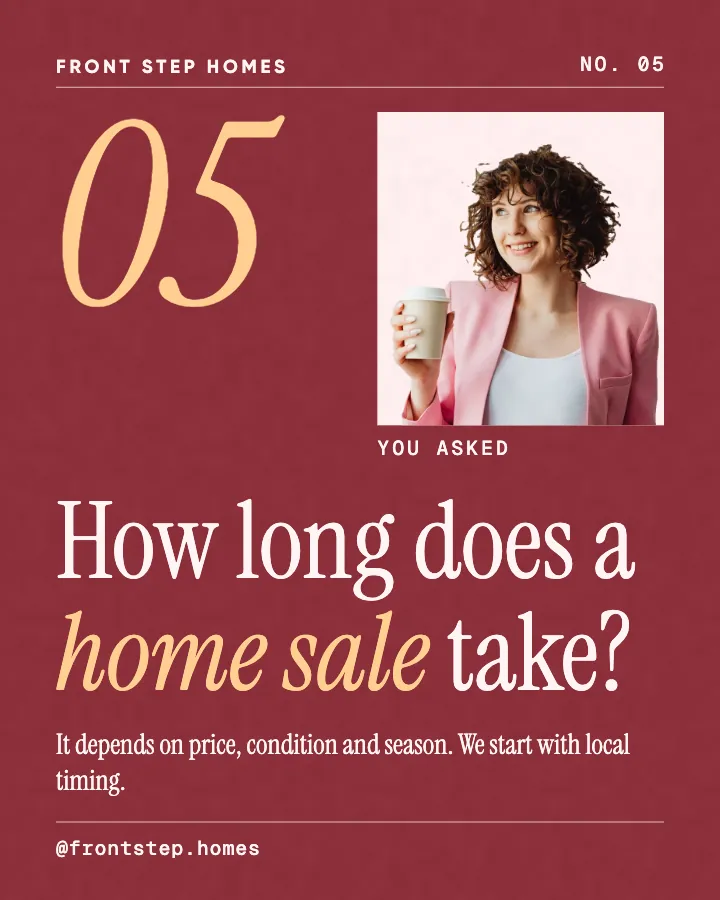
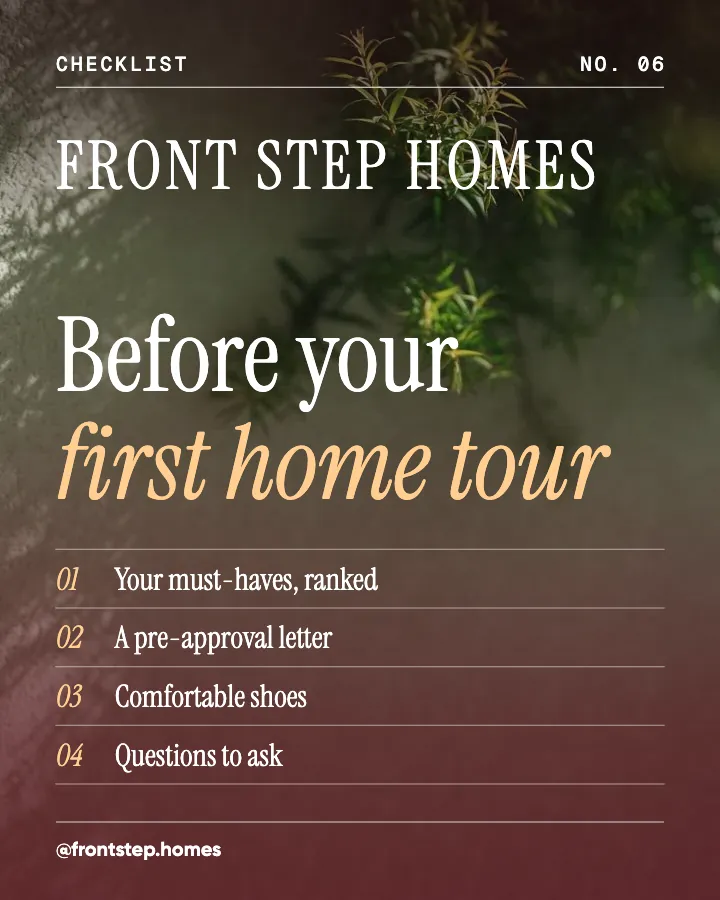
One style and one set of colors, so the grid reads as one agent. Type your website or one line about where you sell, and your first posts start from it. For a full agent week with prices, see social media posts for real estate agents; to have the approved week posted for you, social media autopilot does that on Autopilot and Pro.


Put it into practice
Turn this into posts designed for your feed
Paste your website or say what you do. Creobee plans, writes and designs your posts about it as one feed in your logo and colors, captions included, and on Autopilot it posts them for you.
How the Posts for real estate agents works