35 Loan Officer Social Media Post Ideas (No Rates Needed)
35 loan officer social media post ideas by pillar, six example posts, a four-week plan and the mortgage ad rules to check before you post anything.
The best loan officer social media post ideas teach without quoting a number: a pre-approval checklist, a myth put right, what happens between an accepted offer and closing, a question first-time buyers are shy to ask, a realtor partner you trust, and a clear invitation to a planning call. Below are 35 ideas in seven pillars, six posts written out, a four-week plan, and the mortgage advertising rules to take to your compliance team before anything goes live. I build Creobee, which makes loan officer social media posts in your own brand, so I will also be honest about what software can and cannot do here.
This is general information, not legal advice. Your company's compliance team, your state regulator and your own counsel decide what you may post.
What social media for mortgage loan officers is for
Nobody picks a lender from a post. They pick one when they are ready to buy, and by then they want a name they already trust. Your feed earns that trust in the months before.
A rate post is out of date by the afternoon and brings disclosure rules with it. A post that explains pre-approval is useful for a year. So the mortgage social media posts below teach, and leave the numbers for the conversation.
35 loan officer social media post ideas by pillar
These are the mortgage loan officer social media ideas I would start with, sorted into the pillars borrowers and partners care about.
Each line is an angle, not a script. Add your market, the borrowers you serve and the way you actually work. Post only about the products you actually offer.
First-time buyer education
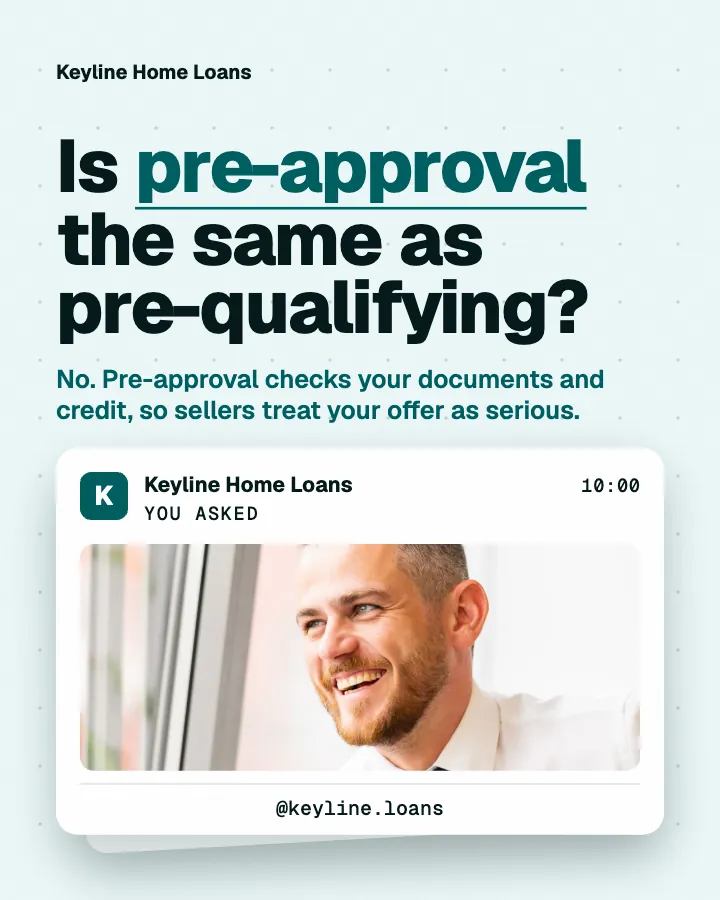
- Pre-approval vs pre-qualifying, in two sentences.
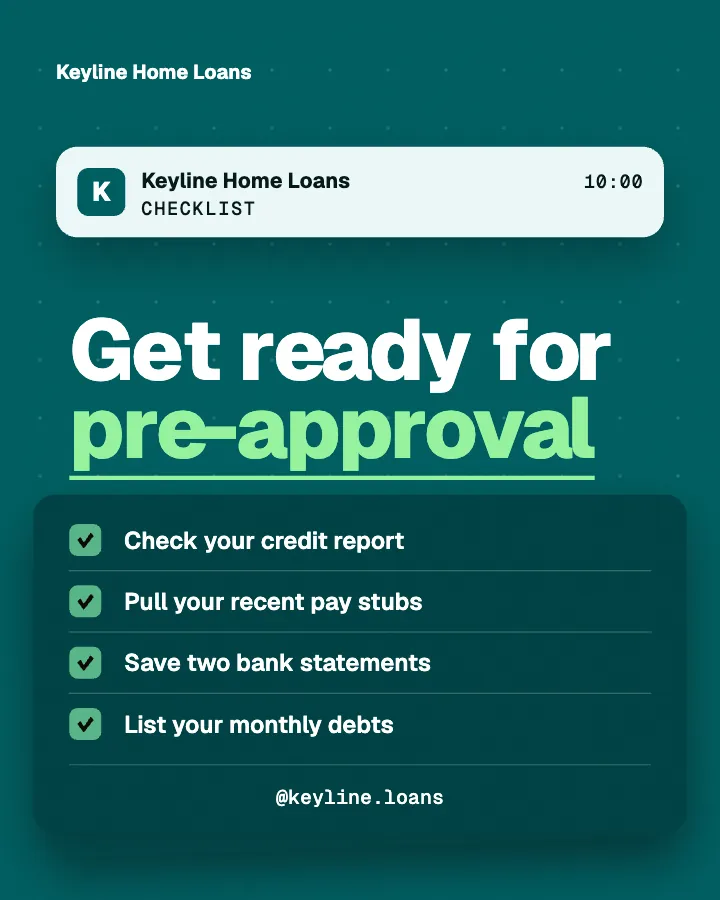
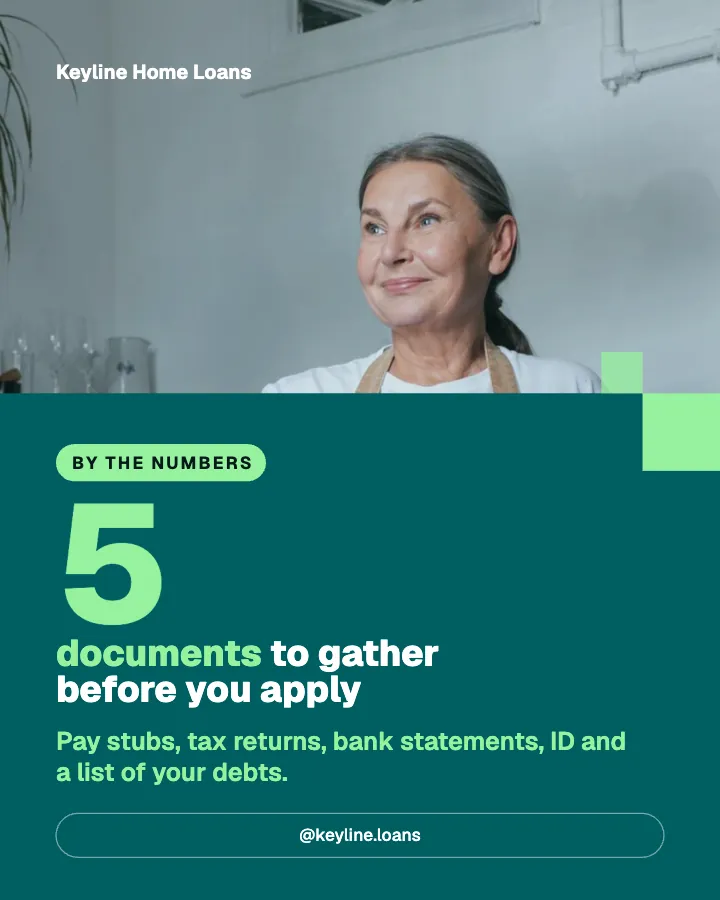
- The documents to gather before you apply: pay stubs, tax returns, bank statements, ID, a list of your debts.
- What a credit report shows, and how to check every account on it is yours.
- What closing costs are, in general terms, and why to ask for them early.
- The three questions to ask any lender on a first call.
Process explainers
- You made an offer and it was accepted. What happens this week?
- What an appraisal is for, and what happens if it comes in low.
- Why your loan officer asks for one more bank statement.
- The weeks before closing: what not to change (new credit, a new job, big cash deposits) without asking first.
- A carousel walking through your process, one step per slide.
Myths put right
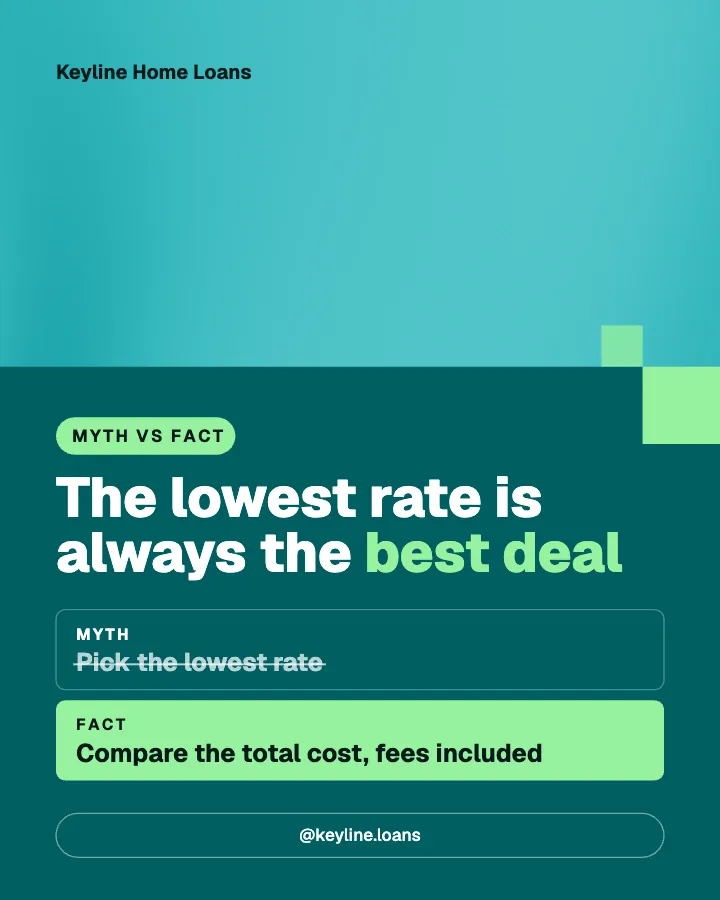
- "The lowest rate is always the best deal." Compare the total cost, fees included.
- "I have to wait until my credit is perfect." Talk to a loan officer about where you stand first.
- "Pre-approval means the loan is guaranteed." It does not; explain what can still change.
- "Self-employed people cannot get a mortgage." Explain what documents they usually need instead.
- "Checking my options will wreck my credit." Explain what a credit check is and ask them to ask you.
Local market, without figures
- The neighborhoods you lend in most, and what buyers ask about each.
- What property taxes and insurance mean for a monthly budget, in general.
- Condo vs single-family: the extra questions a condo purchase raises.
- A first-time buyer assistance program you can actually help with, named and linked to its own official page.
- A season-specific post: what spring buyers should start doing in winter.
Realtor partnerships
- A spotlight on a realtor partner, with their permission.
- "What I wish every buyer knew before touring homes," co-written with an agent.
- How you and an agent keep a purchase on schedule.
- A joint first-time buyer workshop announcement.
- Answering the question an agent hears most at open houses.
Reviews and trust
- A client review on a branded card, quoted with written permission.
- Meet the loan officer: years in the business, where you work, how to reach you.
- Meet the processor who keeps files moving.
- A thank-you to clients and partners who refer friends (check your company's rules on referrals first).
- How you handle a question at 9pm the night before closing.
Offers without rates
- Book a pre-approval planning call.
- A document review before you start house hunting.
- A first-time buyer session, online or at your office.
- "Text us your question": a post that is only your number and hours.
- A reminder that you also help people who are buying their second home.
The fastest source of new ideas is your inbox: every question a borrower asked this month is a post, the method in turn customer questions into posts. Why this kind of content sells without selling is in educational content that sells.
Realtor partnerships on social media
Referral partners matter as much as borrowers. That is why LinkedIn belongs in your loan officer social media marketing beside Instagram and Facebook: agents, builders and title partners see your name there between deals.
Tag partners only with permission. If your partners want the same help with their own feed, Creobee has a page on social media posts for real estate agents. For how the same image works on a company page, see the LinkedIn post image generator, and for posts that build a reputation there, LinkedIn thought leadership that does not sound generic.
Six example posts, written out
These are for Keyline Home Loans, a fictional mortgage broker. Every detail is invented, and none of them quotes a rate, a payment, a down payment or a loan term.
1. First-time buyer education
Headline: Get ready for pre-approval
Caption: Pull your credit report, gather your latest pay stubs and two bank statements, and list your monthly debts. Save this for the week you start looking.
2. Myth put right
Headline: The lowest rate is always the best deal
Caption: Not always. Fees change what a loan really costs, so compare the whole offer, not one number. Ask us what to look for.
3. Process explainer
Headline: Your offer was accepted. Now what?
Caption: We order the appraisal, confirm your documents and keep your agent posted. Your job: no new credit and no big transfers without asking us first.
4. Common mistake
Headline: Changing jobs in the middle of a loan
Caption: A change mid-process can mean new paperwork and a later closing. If a move is coming, tell your loan officer before you accept the offer.
5. Realtor partnership
Headline: Three questions buyers ask us at open houses
Caption: Do I need pre-approval before touring? Can I buy if I am self-employed? How long does closing take? We answer all three with our partner agent this week.
6. Offer without a rate
Headline: Book a pre-approval planning call
Caption: Twenty minutes to look at your documents and map the next steps. Book through the link in our bio.
A four-week posting plan
Three posts a week keeps you visible without outrunning your approvals. Send each week's set to compliance the week before.
| Week | Focus | Posts | Call to action |
|---|---|---|---|
| 1 | Getting ready | Pre-approval checklist, pre-approval vs pre-qualifying, meet the loan officer | Book a planning call |
| 2 | Myths | Lowest rate myth, perfect credit myth, a question for first-time buyers | Send us your question |
| 3 | The process | After the offer, the appraisal, what not to change before closing | Save this for later |
| 4 | Partners and trust | Realtor partner spotlight, a client review, first-time buyer session | Join the session |
If you would rather follow a daily rhythm, the social media posting schedule page shows how a week of posts and stories can be laid out.
Before any of these go out, they still get your NMLS ID and any other line your rules require, which brings us to the rules.
Mortgage advertising rules to check before you post
I am not a lawyer or a compliance officer. These are the federal rules worth knowing well enough to ask good questions; your state and your company add their own.
Social media counts as advertising. The FFIEC's Social Media: Consumer Compliance Risk Management Guidance is used by the CFPB and the bank regulators. Its full text in the Federal Register says it imposes no new requirements, but that a social media post advertising credit must comply with Regulation Z's advertising provisions, and that the Fair Housing Act's advertising rules apply to all advertising media, social media sites included.
Rates go in as an APR, if at all. Under Regulation Z, 12 CFR 1026.24, an ad that states a rate must state it as an "annual percentage rate." For credit secured by a dwelling, the only other rate an ad may show is a simple annual rate, and never more conspicuously than the APR.
Trigger terms bring more disclosures. The same section lists four trigger terms: the amount or percentage of a down payment, the number of payments or period of repayment, the amount of any payment, and the amount of any finance charge. Use one, and the ad must also give the down payment, the terms of repayment and the APR. A myth post that says "you don't need 20 percent down" names a down payment percentage, so ask your compliance team how they want it worded.
Some words are off limits. Regulation Z also restricts "fixed" on adjustable products, calling something a "government loan program" when it is not a government-backed program such as FHA or VA, and calling a for-profit broker or lender a "counselor."
No misleading claims at all. Regulation N, 12 CFR 1014.3, bars material misrepresentation in any commercial communication about a mortgage: rates, fees (including "no fees" claims), whether terms can change, government affiliation, and a consumer's chances, including claims that someone is "preapproved or guaranteed."
Your NMLS ID. The SAFE Act's unique identifier is a number that permanently identifies you as a loan originator and gives the public access to your employment history and any public disciplinary actions. Regulation Z already requires your name and NMLSR ID on loan documents such as the application and the note (12 CFR 1026.36); whether a social post needs it depends on your state and your company, so ask. Borrowers can look you up on NMLS Consumer Access, which the CSBS describes as a free service to confirm a company or professional is authorized in their state.
Equal Housing Opportunity. The FFIEC guidance gives the example of a lender's Facebook page that must display the Equal Housing Opportunity logo, as applicable. Your compliance team will say whether each post, your profile, or both should carry the logo or the line.
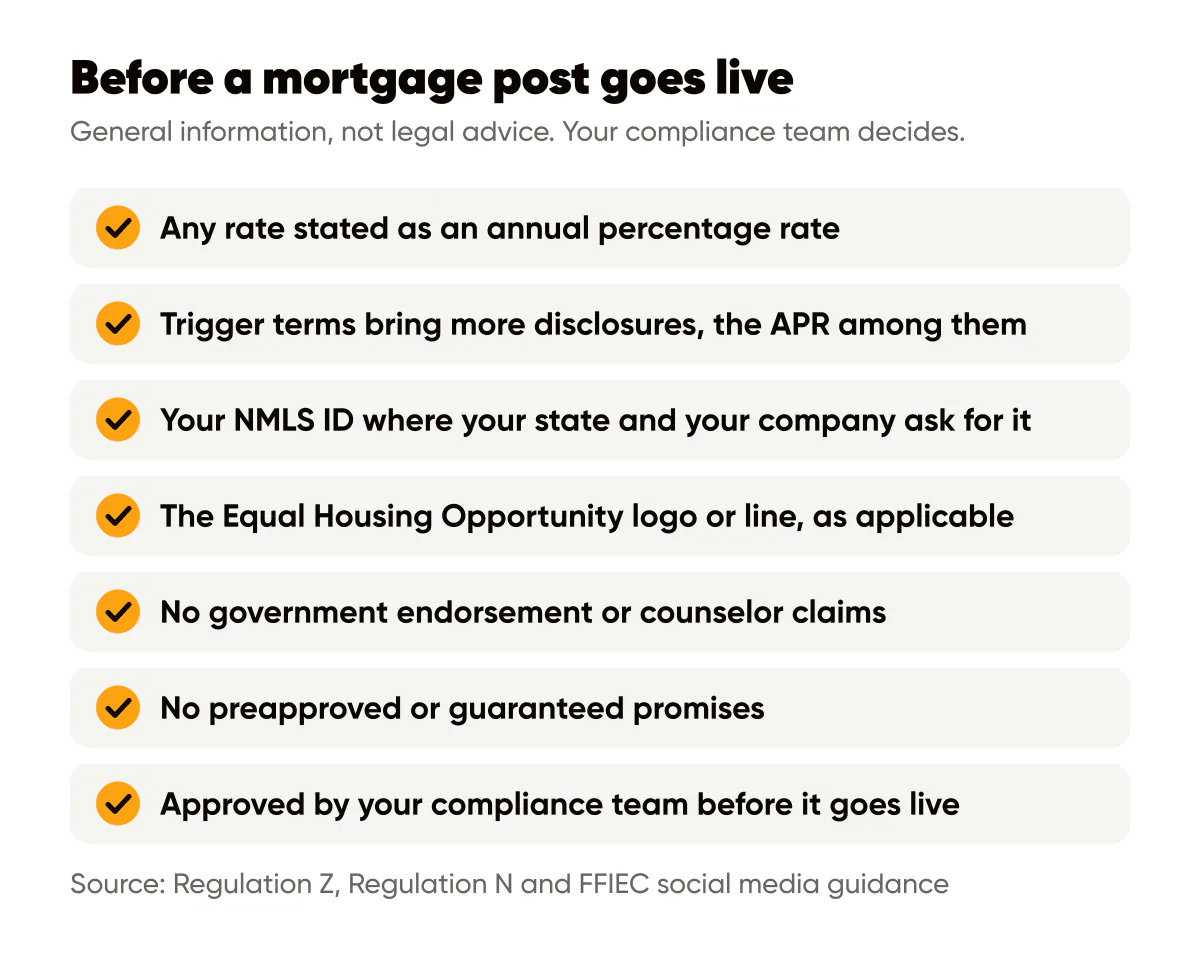
An approval workflow. Make a week or a month at once, send the whole set to compliance in one go, and post only what comes back approved. Keep a dated copy of everything you publish if your company asks for records. If you use AI to write, the quality checklist for AI-written posts is a good second pass.
What not to post
- A rate, a payment or a down payment figure that compliance has not approved.
- "Lowest rates in town," "no fees" or "best lender" claims.
- "Everyone gets approved" or anything that sounds like a guarantee.
- A borrower's name, address or closing photo without written permission.
- Advice about someone's own loan in the comments.
- A post that implies a government agency endorses you.
The honest limits of software here
Creobee does not know Regulation Z, your state's rules or your company's policy, and it is not a compliance tool. It writes from your description, so if your description has no rates or terms, your posts should not either, but it is AI writing: read every post and leave out any you would not sign. The words on the image cannot be edited, so your NMLS ID, company name and equal housing line go in the caption.
It does not film video either; a short phone video of you explaining pre-approval is worth filming yourself.
What it does is the steady, explanatory half. You describe your business once, from your website or a few words, and it plans, writes and designs your week of posts, carousels and 9:16 stories as one feed in your logo and colors, with optional short animated versions of posts with sound effects you can turn off. There are no AI-generated images. On Solo you download the set and send it to compliance; on Autopilot and Pro it posts for you after your OK, to networks such as Instagram, Facebook and your LinkedIn company page. Stories go to Instagram only. The page on mortgage social media posts for loan officers and brokers shows the full example feed and the prices.
No rate on any of them. Want posts like these for your own business? Type one line about how you work, and your first 3 posts start from it, free and with no card.
Frequently asked questions
What should a loan officer post on social media?
Posts that teach and reassure: pre-approval checklists, myths put right, process explainers, first-time buyer questions answered, realtor partner spotlights and an offer such as a planning call. Keep rates and payment figures out unless compliance has approved them.
Can a loan officer post rates on social media?
Only with care. Under Regulation Z a stated rate must appear as an APR, and terms such as a payment amount or a down payment trigger further disclosures. Most loan officers find it simpler to keep rates for the conversation and to run any rate post past compliance first.
Does a loan officer need to put an NMLS ID on social media posts?
It depends on your state and your company. Federal rules require it on loan documents, and many companies ask for it in marketing too. Ask your compliance team, and if in doubt, add it to every caption and your profile.
How often should a mortgage loan officer post?
Three a week is a steady pace that leaves time for approvals.
Put it into practice
Turn this into posts designed for your feed
Paste your website or say what you do. Creobee plans, writes and designs your posts about it as one feed in your logo and colors, captions included, and on Autopilot it posts them for you.
How the Posts for loan officers works