Real Estate Agent Instagram Post Ideas: 35 Ideas, 4 Weeks
35 real estate agent Instagram post ideas by pillar, six posts written out, a four-week plan, and the fair housing and advertising rules to check first.
The best real estate agent Instagram post ideas are the ones that show how you work between listings: plain answers to buyer and seller questions, honest local guides about places, process explainers, your listings shown truthfully, reviews shared the right way and a few timely reminders. Below are 35 ideas in seven pillars, six posts written out, a four-week plan, the fair housing and advertising rules to check before you post, and at the end three real designed posts from an example agent's feed. I build Creobee, a tool that makes these posts, so I will also be plain about what it does not make.
What should realtors post on Instagram?
Most agents' feeds are a run of "Just listed" and "Just sold" squares. Those matter to your seller, but the person who will move in eighteen months wants to see how you think: how you price, how you prepare a home, what a closing week looks like.
So good social media for realtors is roughly a third listings and two thirds useful posts around them. The listings are your photos and your video tours. The useful posts are the ones agents mean to write and rarely do, which is the half that social media posts made for real estate agents take off your desk. The pillar idea itself is explained in content pillars for small business.
35 real estate agent Instagram post ideas by pillar
Each line is an angle, not a script. It becomes yours when you add your town, your market and the way you actually work.
Buyer and seller education
- What pre-approval is, and why sellers ask for the letter with an offer.
- Earnest money in plain words: what it is, when it is paid, when it can be lost.
- Inspection vs appraisal: two different visits, two different questions.
- Should I renovate before I sell? Paint and small repairs first, talk before any big remodel.
- The costs buyers forget to budget for, as a checklist with no numbers you cannot back up.
Local market and neighborhood
- A Saturday in one neighborhood: the market, the trail, the lunch spot, all places, no people types.
- The coffee shop map: five cafes within a short walk of the square.
- A new park, library or trail opening, with the date from the city's own announcement.
- What "days on market" means, and where buyers can look it up for your county.
- The street with the best fall color, posted the week it peaks.
Listings done right
- A listing with the photos as they are, and the facts your seller approved.
- "Three details the photos don't show" about a listing, from your walk-through.
- The floor plan explained room by room, for people who cannot visit this weekend.
- Open house details: date, hours, address and parking, with your brokerage named.
- "Back on the market" with the plain reason, if your seller agrees to share it.
Process explainers
- The home buying process in six steps, as a carousel.
- What happens between an accepted offer and closing day.
- Listing prep week: photos, staging, the first showing.
- What a buyer consultation covers, and what to bring.
- Closing day: what to expect at the table and what to bring.
Personal brand
- Meet the agent: years licensed, the towns you serve, how to reach you.
- Why you got into real estate, in three sentences.
- Your one rule with every client, such as "I call back the same day."
- A day of showings, from the first coffee to the last lockbox.
- The question you get asked most at dinner parties, answered.
Reviews and social proof
- A client review on a branded card, quoted word for word, with permission.
- A thank-you post for a referral, with the client's okay to tag them.
- A closing photo the clients chose to share themselves.
- "What I learned from my first 100 showings" (only if you have had them).
- A local business partner you trust, such as an inspector or a stager, tagged.
Timely
- The first week of spring listings: what to do now if you plan to sell later.
- Moving week checklist: movers, mail, utilities, a first-night box.
- Holiday showings: how to keep a home ready in December.
- Tax season: a reminder to ask a tax professional about your home sale.
- Year-end: how the year went for you, in facts you can stand behind.
If any agent in the country could post one of these unchanged, add a detail only you know. The fastest source of new ones is your own inbox, the method in turn customer questions into posts.
Six example posts, written out
These are for Front Step Homes, the fictional agent behind the example feed at the end of this post, in an invented town called Maple Hill.
1. Buyer education (myth vs fact)
- Headline: Spring is the only time to sell
- Caption: Spring is busy, but it is not the only season buyers look. People move for new jobs all year, and a quieter month means less competition beside your listing. The right time to sell is when your home and your plans are ready.
2. Process explainer (FAQ)
- Headline: How long does a home sale take?
- Caption: It depends on price, condition and the season, so we never promise a number before we have looked at your street. We start with the timing of recent sales near you.
3. Buyer checklist
- Headline: Before your first home tour
- Caption: Rank your must-haves before you see a single house, so the first nice kitchen does not decide for you. Bring your pre-approval letter and a short list of questions. Save this for tour day.
4. Seller tip
- Headline: Stage a room in an afternoon
- Caption: Clear every surface, open the curtains all the way, then add one plant and one throw. Start with the living room, usually the first photo in the listing.
5. Neighborhood
- Headline: A Saturday in Maple Hill
- Caption: Farmers market at nine, the river trail after, lunch on the square. This is what a Saturday in Maple Hill looks like. Want our list of favorite spots? Send us a message.
6. Offer
- Headline: Curious what your home is worth?
- Caption: A valuation call with recent local sales, and no pressure to list. Book a time through the link in our bio.
The neighborhood post names a market, a trail and a square, and nothing about who the area suits. That habit matters, as the rules section explains.
A four-week posting plan
Three feed posts a week is a pace most solo agents can hold, plus stories on market days. If you want the days laid out for you, the social media posting schedule page walks through a full week, and the posting schedule template is a version you can copy.
| Week | Monday | Wednesday | Friday | Call to action |
|---|---|---|---|---|
| 1 | Meet the agent (Personal brand) | Pre-approval explained (Education) | A Saturday in one neighborhood (Local) | Message me with your question |
| 2 | Home buying in six steps, carousel (Process) | Stage a room in an afternoon (Education) | A listing, photos as they are (Listings) | Book a buyer consultation |
| 3 | Inspection vs appraisal (Education) | A client review, word for word (Reviews) | New park or trail opening (Local) | Save this for later |
| 4 | Offer to closing, what happens (Process) | Moving week checklist (Timely) | Curious what your home is worth? (Offer) | Book a valuation call |
The week two carousel is a natural place to bring in the lender you work with, since pre-approval and closing are half their job. If your lender partner wants posts of their own, the social media posts for loan officers page covers their side. For how to build a carousel people swipe to the end, see carousels that convert.
Fair housing and advertising rules to check first
I am not a lawyer, and rules differ by state and by brokerage. Read this as the questions to take to your broker, not as advice.
Fair housing applies to what you post. HUD's regulation on discriminatory advertising, 24 CFR 100.75, makes it unlawful to publish any notice, statement or advertisement about the sale or rental of a dwelling that indicates a preference, limitation or discrimination because of race, color, religion, sex, handicap, familial status or national origin. It names "words, phrases, photographs, illustrations, symbols or forms" as ways to do it, and it also covers selecting media or locations for advertising that deny parts of the market information about housing. The Department of Justice's Fair Housing Act overview lists the same protected characteristics and names real estate companies among the providers the Act covers.
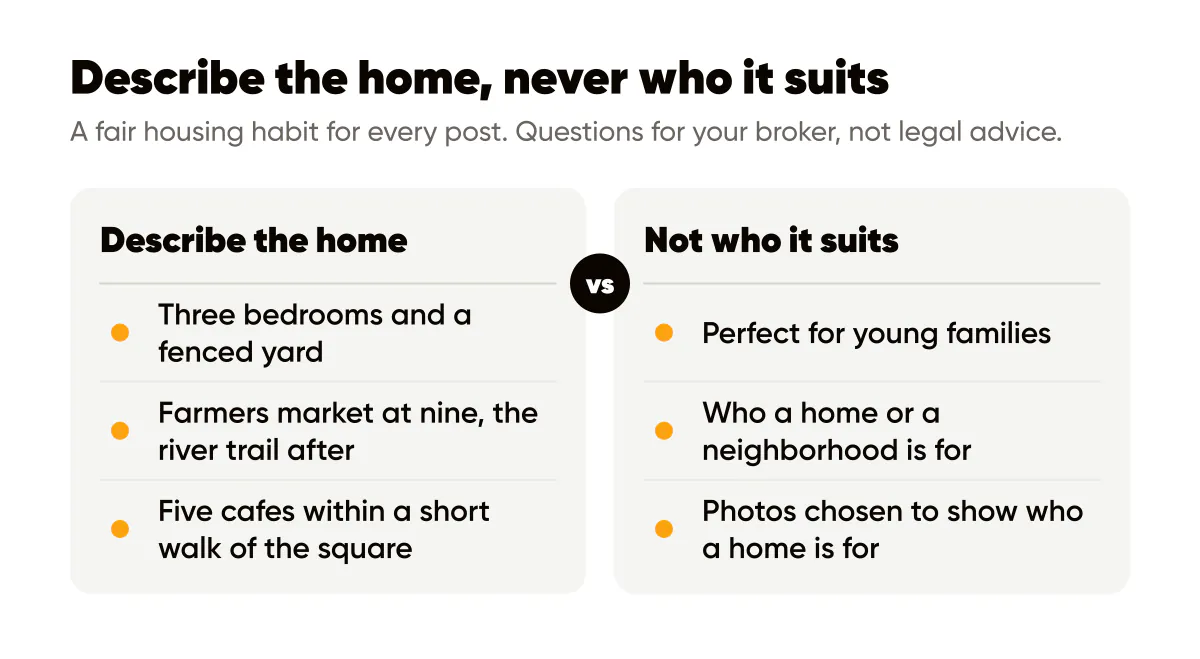
In practice: describe the home and the place, never the people it suits. "Perfect for young families" names familial status, a protected class. "Three bedrooms and a fenced yard" describes the home. The same goes for the photos you choose, since the regulation names photographs and illustrations too.
A true picture in every post. If you are a REALTOR, Article 12 of the NAR Code of Ethics asks you to be honest and truthful in your real estate communications and to present a true picture in your advertising and marketing, and to make your status as a real estate professional clear. Standard of Practice 12-5 asks that your firm's name be disclosed in a readily apparent way when you advertise listed property, and 12-10 covers misleading images online. Your state's license law may have its own brokerage name rules. Put what applies to you in your bio and captions.
Reviews need the real thing. The FTC's Endorsement Guides FAQ says that asking for reviews only from customers you think are more likely to be happy would be misleading, that you can't condition an incentive such as a discount on a review being positive, and that asking customers to change or delete negative reviews could mislead readers. If an endorser's result is exceptional, the ad must make clear what results people can generally expect. A "sold in three days" story needs that context.
Boosting a post makes it a housing ad. If you pay to promote a post that markets housing, Meta's real estate ads documentation says advertisers must specify Housing as the special ad category for those campaigns, and that doing so restricts the targeting options available. The fair housing rules above apply to your unpaid posts too.
What not to post
- Who a home or a neighborhood is for. Describe bedrooms, light, the yard, the walk to the market. Leave the people out of it.
- A listing you don't have the right to market. Ask your broker and your seller first.
- Edited photos that change the home. A brighter sky is one thing; a removed power line or a fake lawn is not a true picture.
- Market figures you cannot source. "Prices are up" needs a source and a date, or it is a guess. Link your MLS or county data, or leave the number out.
- A testimonial you wrote yourself. Quote real clients word for word, with their permission.
- Client details in the comments. Move those to a call or a private message.
A short quality check before anything goes out is in the AI content quality checklist, and it works for posts you wrote by hand too.
Honest limits: your photos and tours do the selling
A home sells on its photos, floor plan and walk-through video. Those are yours to shoot or hire out; Creobee does not film anything. It also has no just listed, just sold or open house layout, and no fields for a price, an address or a bedroom count. Post the listings themselves the way you do today.
What Creobee makes is the steady half around them. You describe your business once, from your website or a few words about where you sell and who you help, and it plans, writes and designs your week of posts, carousels and 9:16 stories in your logo and colors as one feed. AI writes the words; there are no AI-generated images. You can upload a listing or street photo you have the rights to as the background. Posts can also come as short animated versions with sound effects you can turn off. It does not know your state's rules or your brokerage's policy, so you read every post and leave out any you would not sign.
On the Autopilot and Pro plans it posts for you after your OK (stories go to Instagram only). On Solo you download the posts and post them yourself. Your first 3 posts are free, no card needed. The real estate agent posts page shows a full example week and the prices.
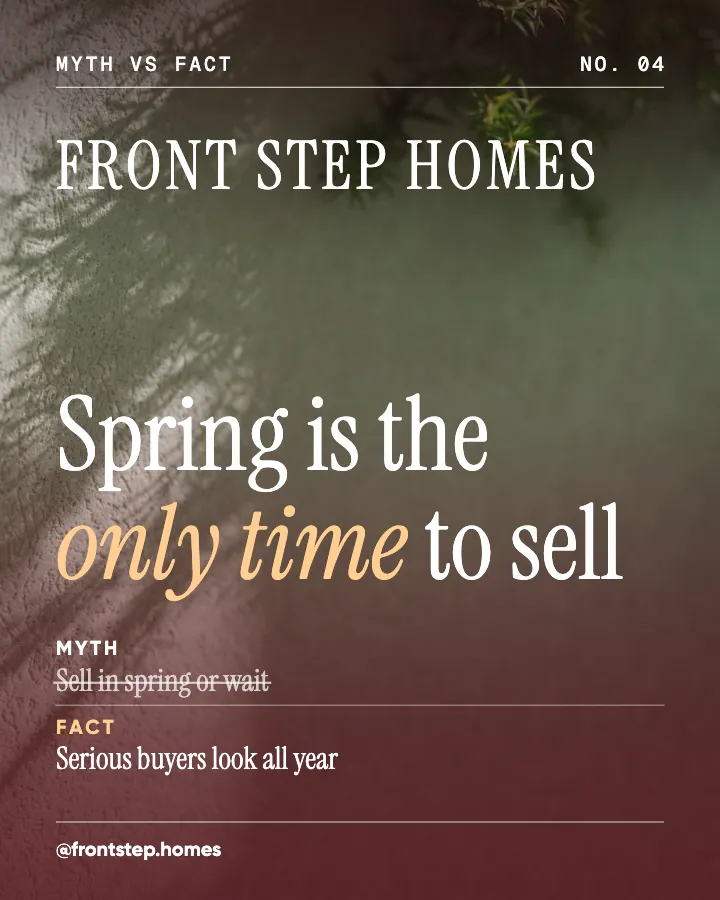
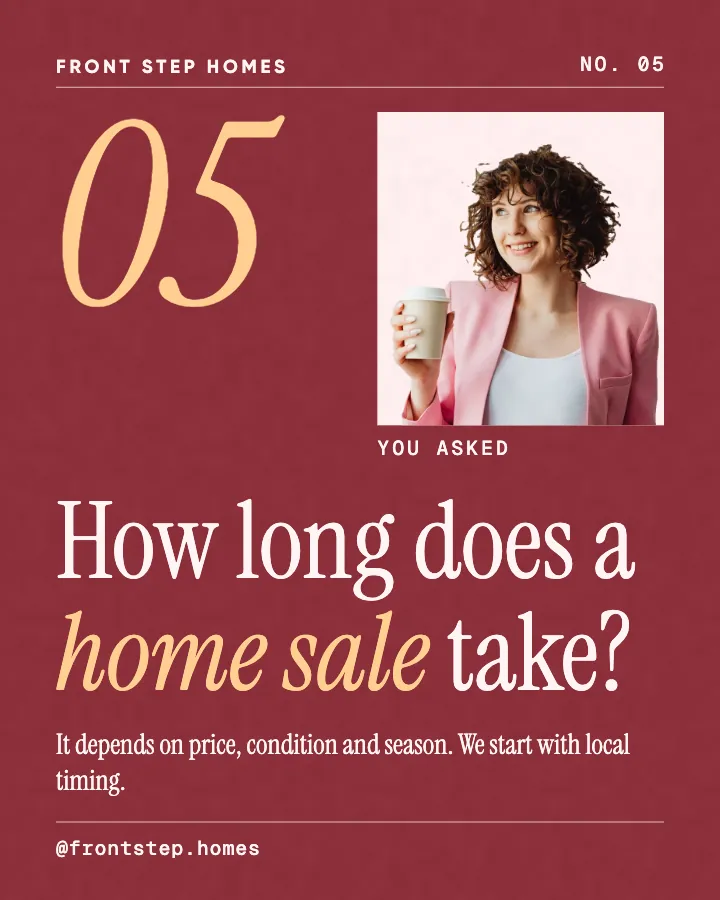
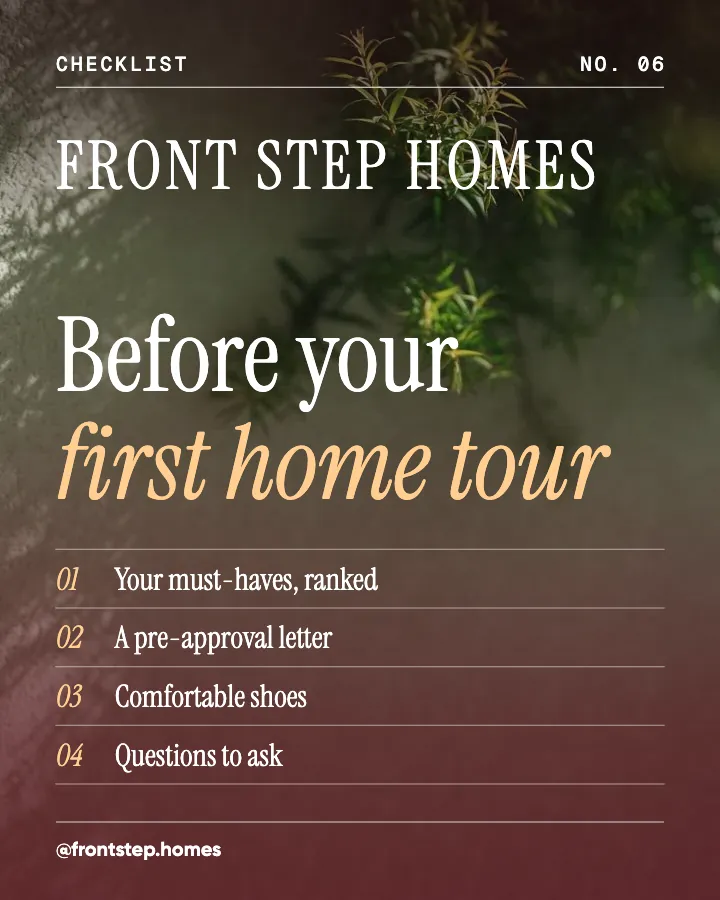
One style and one set of colors, so the grid reads as one agent. Want posts like these for your own business? Type one line about where you sell, and your first 3 posts start from it.
Frequently asked questions
What should a real estate agent post on Instagram besides listings?
Answers to the questions clients ask every week, process explainers, local guides about places, reviews shared with permission and an occasional offer. Aim for about two useful posts per listing post.
Can I say a neighborhood is safe or good for families?
"Good for families" names familial status, which HUD's advertising regulation lists as protected, so it is the kind of phrase to avoid. Describe places and facts instead, and ask your broker about anything you are unsure of, including safety claims.
Can I post client reviews on Instagram?
Yes, with permission and word for word. The FTC's guidance says not to ask only the clients you expect to be happy, not to tie a reward to a positive review, and to show typical results when a story is exceptional.
Do I need to put my brokerage name on Instagram posts?
Often, yes. NAR's Standard of Practice 12-5 asks REALTORS to disclose the firm name in a readily apparent way when advertising, and many state license laws have their own rules. Check yours and put the name in your bio or captions.


Put it into practice
Turn this into posts designed for your feed
Paste your website or say what you do. Creobee plans, writes and designs your posts about it as one feed in your logo and colors, captions included, and on Autopilot it posts them for you.
How the Posts for real estate agents works