Behind-the-Scenes Content Ideas for Solopreneurs
Behind-the-scenes content ideas for solopreneurs: five things worth showing, what to skip, how to brand the post, and five prompts to reuse every month.
Behind-the-scenes content works when it shows how you work: the process, the decisions, the tools, the mistakes and the numbers with context. It fails when it drifts into client confidentiality, complaining, or personal detail that has nothing to do with the work. Show the craft, skip the diary, and brand it so it still looks like you.
Why behind-the-scenes posts earn trust so cheaply
A polished post says "trust me". A behind-the-scenes post says "here is what I actually did", and the second is more persuasive because it is harder to fake. I have written before about how proof of experience beats polish for solo creators, and behind-the-scenes content is that idea applied to social media. Google's people-first content guidance asks whether content demonstrates first-hand experience; a photo of your desk with the half-finished work on it is the social equivalent of a yes.
The other reason it works is that it costs nothing to make. You are already doing the work. The content is a byproduct, which is the only kind of content a one-person business can sustain for years.
Five things worth showing
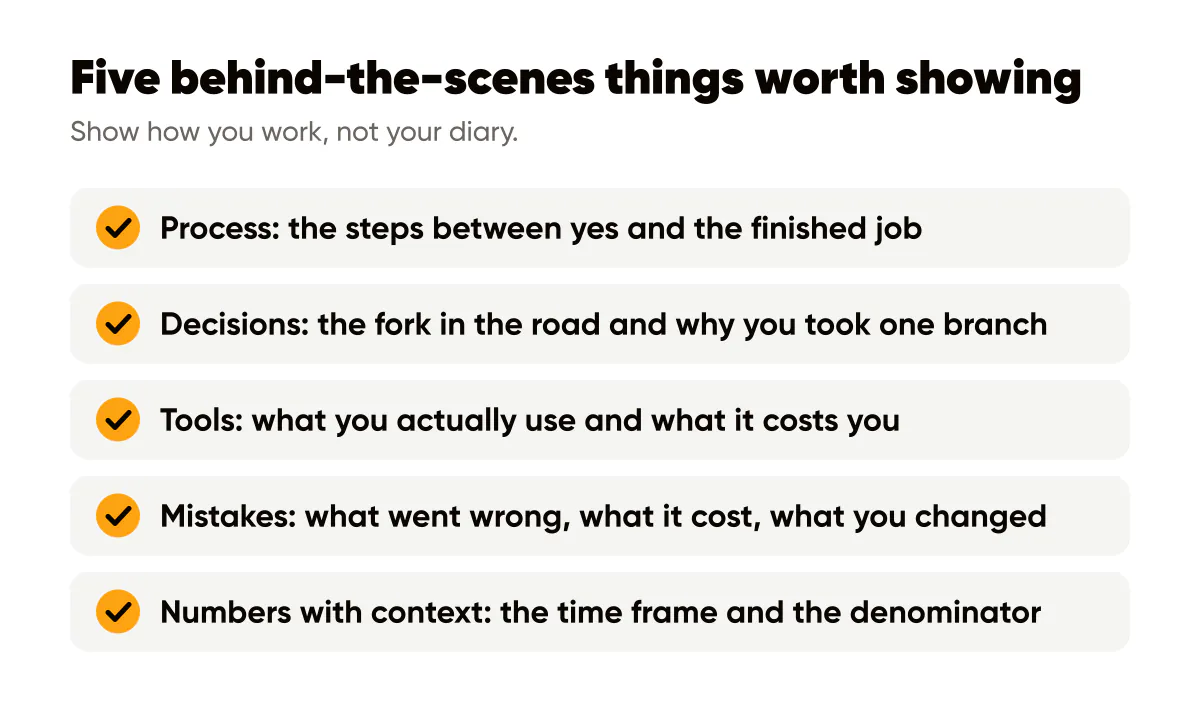
- Process: the steps between "client said yes" and "client got the thing". A quote being built, a batch of posts being generated, a room being prepped, a dough being shaped.
- Decisions: the fork in the road and why you took one branch. "I could have used a stock photo here; I used the client's own because the texture matters."
- Tools: what you actually use and what it costs you in time or money. Specific names, not "my favorite apps".
- Mistakes: the thing that went wrong, what it cost, and what you changed. These get saved and shared more than wins, on my account at least, because they are useful to the next person.
- Numbers with context: "31 weddings last year, one reshoot, and it was rain" beats "lots of happy couples". Always attach the time frame and the denominator.
That last one carries a caution. Numbers about your own business are yours to share, but they must be true and not misleading in context. The FTC's general advertising and marketing guidance is about truthful claims, and a behind-the-scenes number is still a claim.
What behind-the-scenes content should a solopreneur avoid?
Four things. Client confidentiality first: no names, no screenshots of their messages, no "a client of mine who runs a bakery in a town of 4,000" if that identifies them. Ask permission or anonymize until it could be anyone. Second, complaining. Venting about a difficult client feels honest and reads as a warning to every prospect watching. Third, oversharing: your health, your finances, your relationship, unless they are genuinely part of what you sell. Fourth, performed vulnerability, the tearful post that exists to be a post. Readers can tell.
The line I use is simple. Would I show this to a good client over coffee? If yes, it is probably fine. If I would only show it to a friend, it is a diary entry, not content.
Personal brand or business brand: how much of you to include
How much of your face and life belongs in behind-the-scenes content depends on which kind of brand you are building. A personal brand can show more of the person; a business brand shows more of the work and less of the worker. Most solopreneurs land on a hybrid: the business handle, with the founder visible as the person who does the work. The personal brand vs business brand post covers the decision. Either way, the work is the constant and the person is the variable.
Should behind-the-scenes go in Stories or the feed?
Both, with different jobs. The raw version, shot on your phone as it happens, belongs in Stories: it is temporary, it rewards followers who already like you, and nobody expects it to be pretty. The considered version belongs in the feed: one photo or one lesson from the day, framed in your template, with a caption that explains what the reader can take from it. The Stories vs feed posts post has a weekly split that works for one-person businesses.
Branding a behind-the-scenes post so it still looks like you
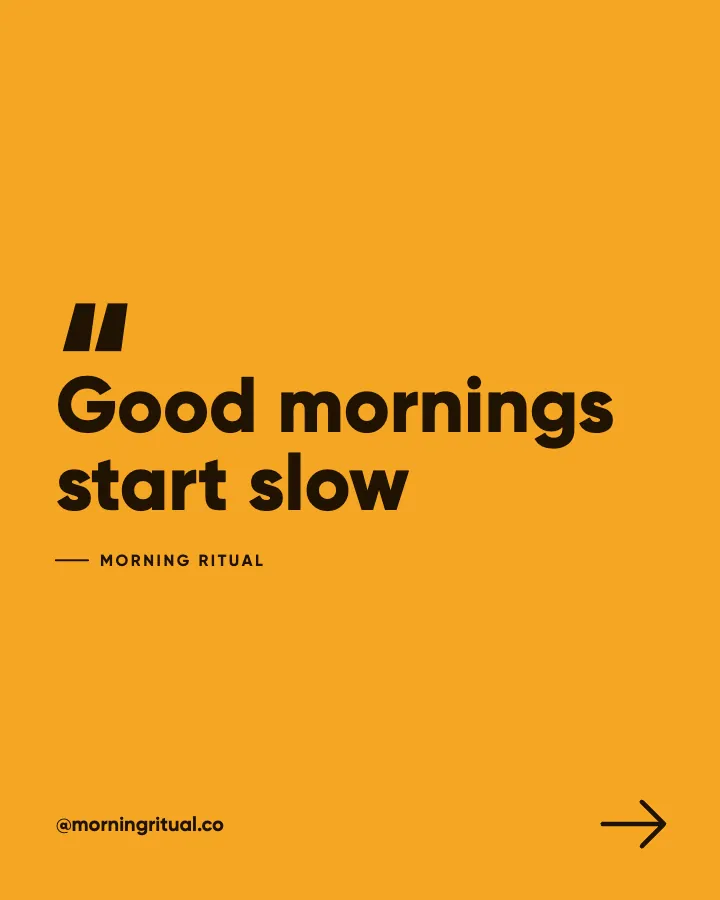
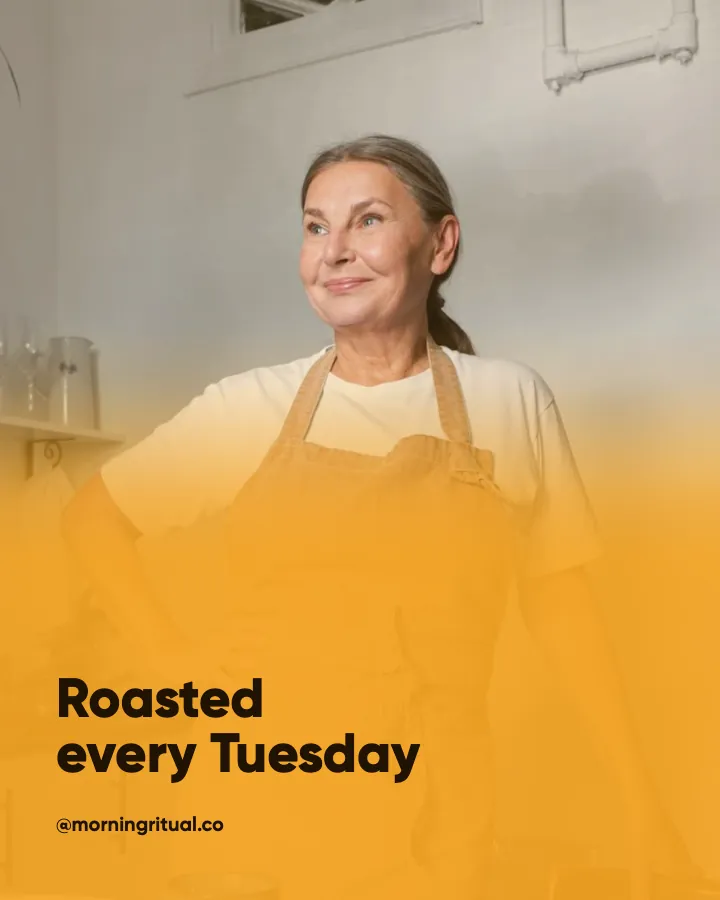
The trap is that raw photos break the grid. Your feed has a palette and a template, and then a fluorescent-lit workshop photo lands in the middle of it. The fix is to treat the real photo as the background layer and let your template do the rest: darken the photo slightly for contrast, put a short headline on it in your font, place your logo where it always goes.
Here is the walkthrough I use. Take the photo in decent light, landscape or portrait, then crop to 4:5. Drop it into your template as the background. Write a headline of two to six words that states the lesson, not the scene: "Two hours on one quote", "The batch I almost deleted", "Monday is editing day". Add a light dark overlay so white text reads. Logo bottom right, as on every other post. The caption carries the story: what you were doing, what you decided, what it cost or saved.
In Creobee this is the photo upload path: upload the photo, and the style of your Instagram feed design shows it full size or in a frame, places your logo and keeps the words readable. Creobee writes the headline and caption from your brief, so if you want to type one exact line over one exact photo, a design editor is the better fit. Any design tool that takes a background photo does the same job. The point is that the photo changes every time and the frame never does, so a scroll through your profile sees one brand with a lot of real life inside it.
A month of behind-the-scenes prompts
If you are stuck, these five recur on my own calendar and can be filled by any solopreneur in any niche.
- The tool post: one thing you use every day, what it costs, what it replaced.
- The decision post: a recent fork in the road, the option you rejected and why.
- The mistake post: what went wrong this month, in one paragraph, with the fix.
- The numbers post: one metric from the month with the time frame and the context that makes it honest.
- The process post: a three-photo or three-step look at how a normal job moves from start to finish.
Instagram's own creator blog regularly features accounts built on exactly this kind of process content, which is a reasonable signal that the platform is not tired of it. When the business is quiet and there is no news, these five are also the backbone of what to post when nothing is happening.
Do this this week
- Take one photo of your actual work in progress. Not staged, just lit well enough to see.
- Write a two-to-six word headline that states the lesson, not the scene.
- Put the photo in your template with an overlay, your font and your logo in its usual spot.
- Write a caption with one decision, one number with context, and no complaint.
- Run the coffee test before posting: would you show this to a good client?
The best behind-the-scenes content is not a look at your life. It is a look at your judgment, and judgment is what people are buying when they hire a one-person business.
Put it into practice
Turn this into posts designed for your feed
Paste your website or say what you do. Creobee plans, writes and designs your posts about it as one feed in your logo and colors, captions included, and on Autopilot it posts them for you.
How the AI content calendar generator works